Follow Us:

About Us

Know About Sariska Tiger Reserve

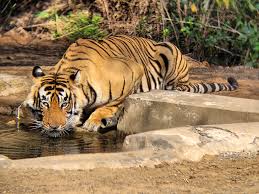
Amazingly nestled in the nature’s bliss of Aravalli hills, Sariska Tiger Reserve is a national park where nature's diverse beauty comes to life. Spanning over 800 square kilometres, this reserve in Alwar district of Rajasthan boasts an exquisite blend of mountains, grasslands, dry deciduous forests, and cliffs. Home to a variety of wildlife, Sariska National Park and Reserve offers a glimpse of nature at its finest.

Although Sariska is renowned for its tiger population, it also shelters a wide array of other animals, including jungle cats, rhesus macaques, sambar deer, chital, and wild boars. Bird enthusiasts will be delighted by the numerous bird species inhabiting the park, such as sand grouse, harbour quails, and crested serpent eagles. The rich biodiversity makes Sariska a haven for wildlife and bird watching.

Wildlife Safari Experience
Enjoy thrilling jeep safaris through dense forests and spot tigers, leopards, and exotic birds in their natural habitat.
Nature & Heritage Trails
Explore ancient forts, temples, and serene lakes surrounded by the Aravalli hills — a perfect blend of nature and history.

FLORA

FLORA IN SARISKA TIGER RESERVE

The flora of Sariska National Park forms the heart of its ecosystem, creating a diverse and vibrant natural landscape that supports a wide range of wildlife. Dominated largely by dry deciduous forests, the park features an extensive cover of Dhok (Anogeissus pendula), which accounts for nearly 70% of the total vegetation and thrives on the rocky slopes of the Aravalli hills. These hardy trees provide essential food and shelter for herbivores such as sambar, chital, and nilgai. Alongside Dhok, Sariska hosts an impressive variety of plant species including Ber, Tendu, Khair, Acacia, Salar, Kadaya, and Dhak, each adapting beautifully to the dry climate and rugged terrain. In the lower valleys and areas with slightly richer soil, visitors can also find clusters of bamboo and seasonal grasses that flourish during the monsoon, adding freshness to the landscape.

. The slopes and plains are dotted with shrubs like Guggal, Kair, and Adusa, while climbers, medicinal herbs, and aromatic plants further enrich the biological diversity of the forest. During spring and early summer, trees such as Flame of the Forest (Palash) decorate the park with bright orange blossoms, turning the dry forest into a colorful spectacle. Many trees in Sariska, including Banyan and Peepal, hold cultural and ecological importance, offering shade and nesting sites for numerous bird species. The rich flora not only shapes the visual charm of Sariska but also plays a crucial role in soil conservation, water retention, and sustaining the delicate balance between predators and prey. Together, these plant communities form a resilient ecosystem that keeps Sariska National Park alive, green, and ecologically significant throughout the year.

FAUNA

FAUNA IN SARISKA TIGER RESERVE

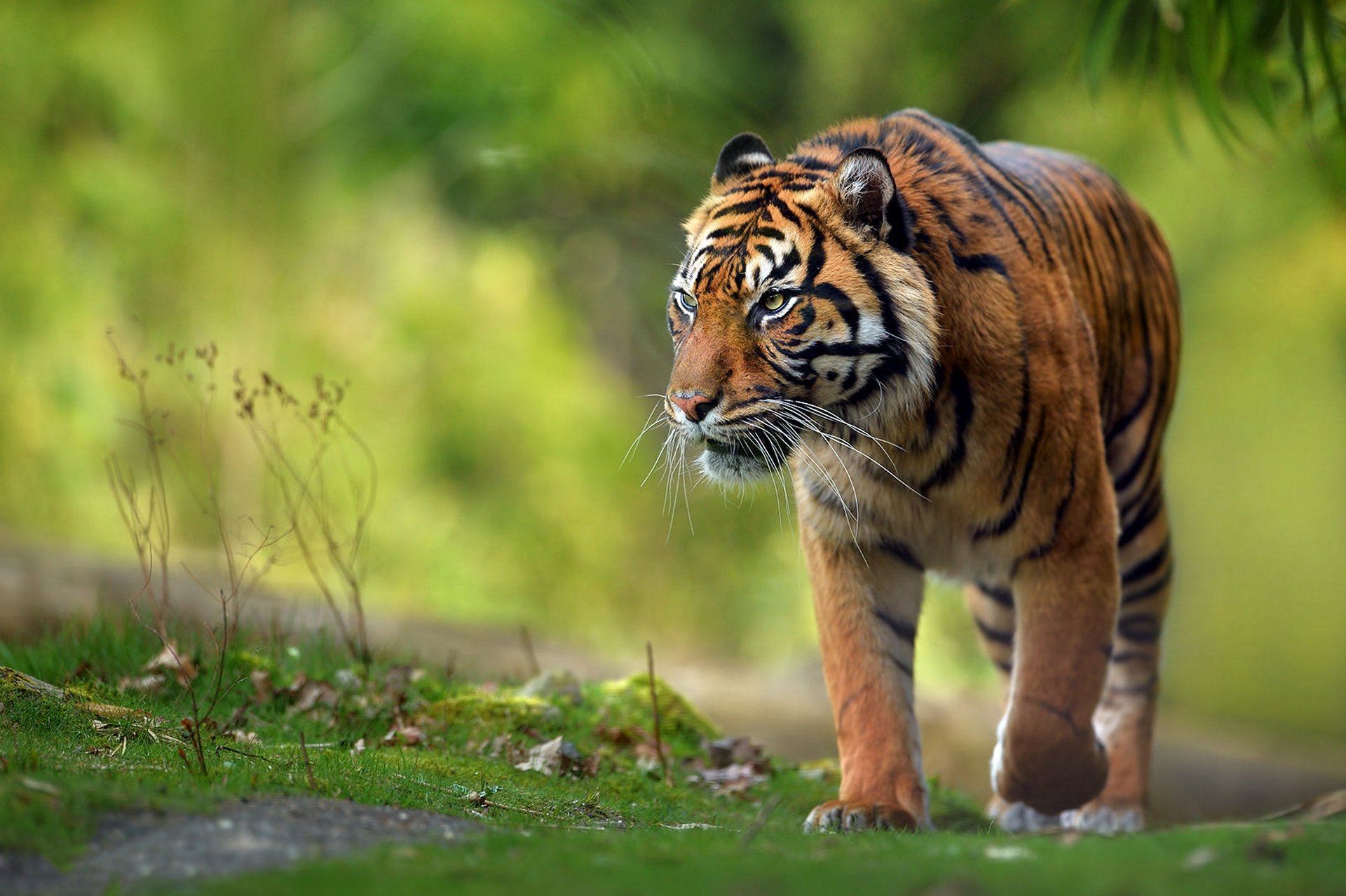
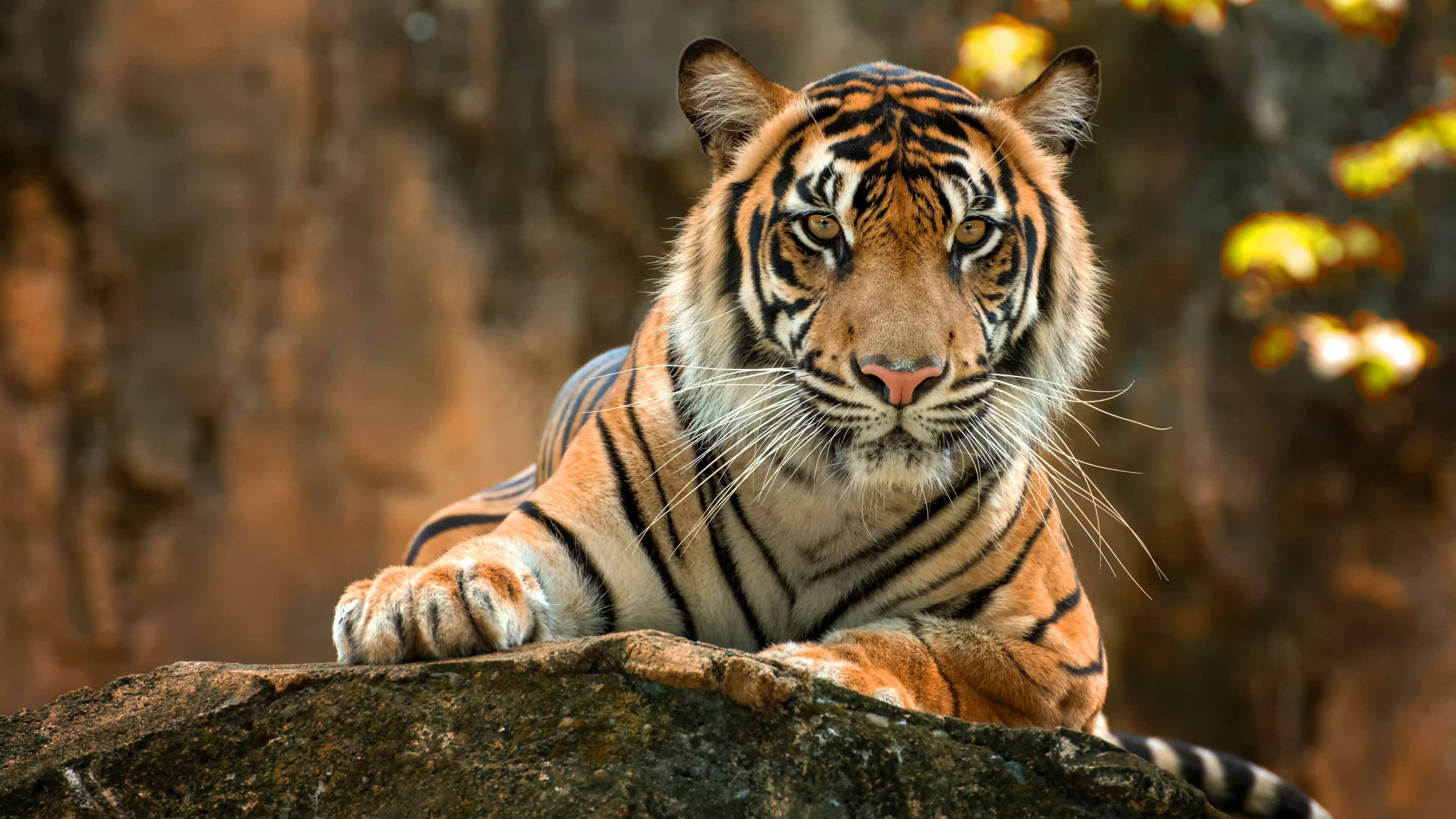
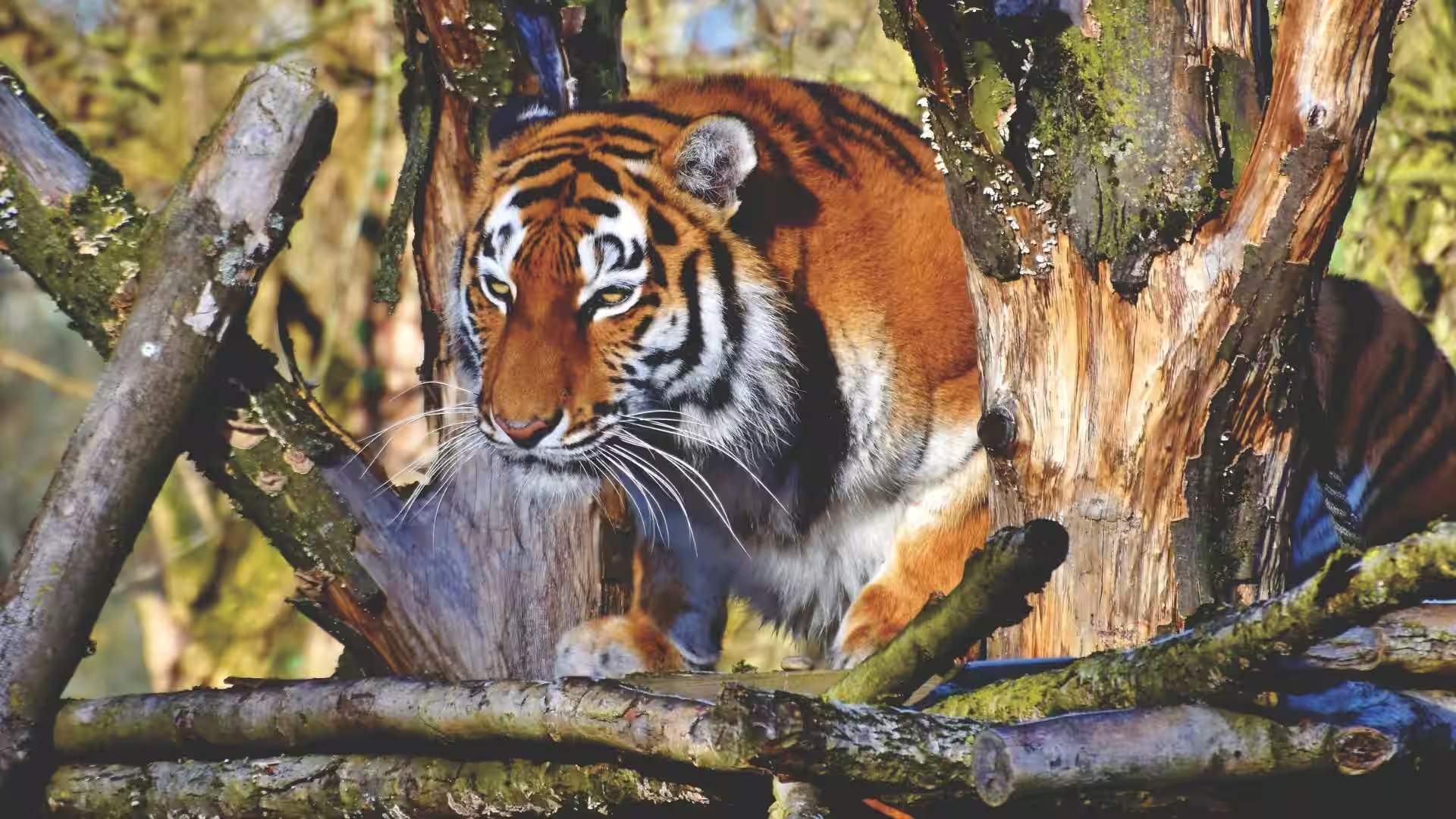
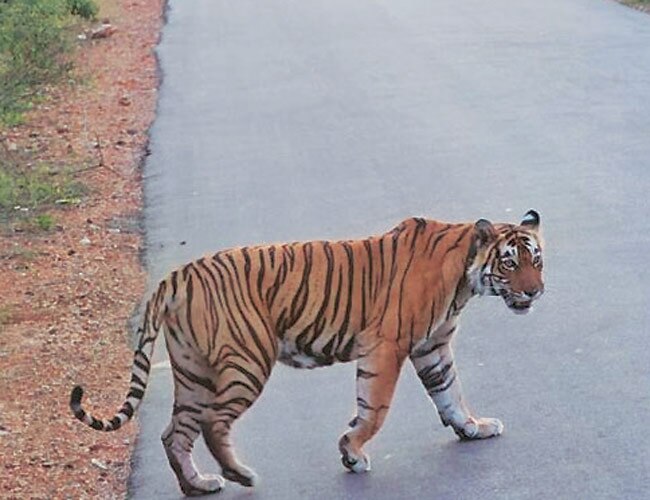
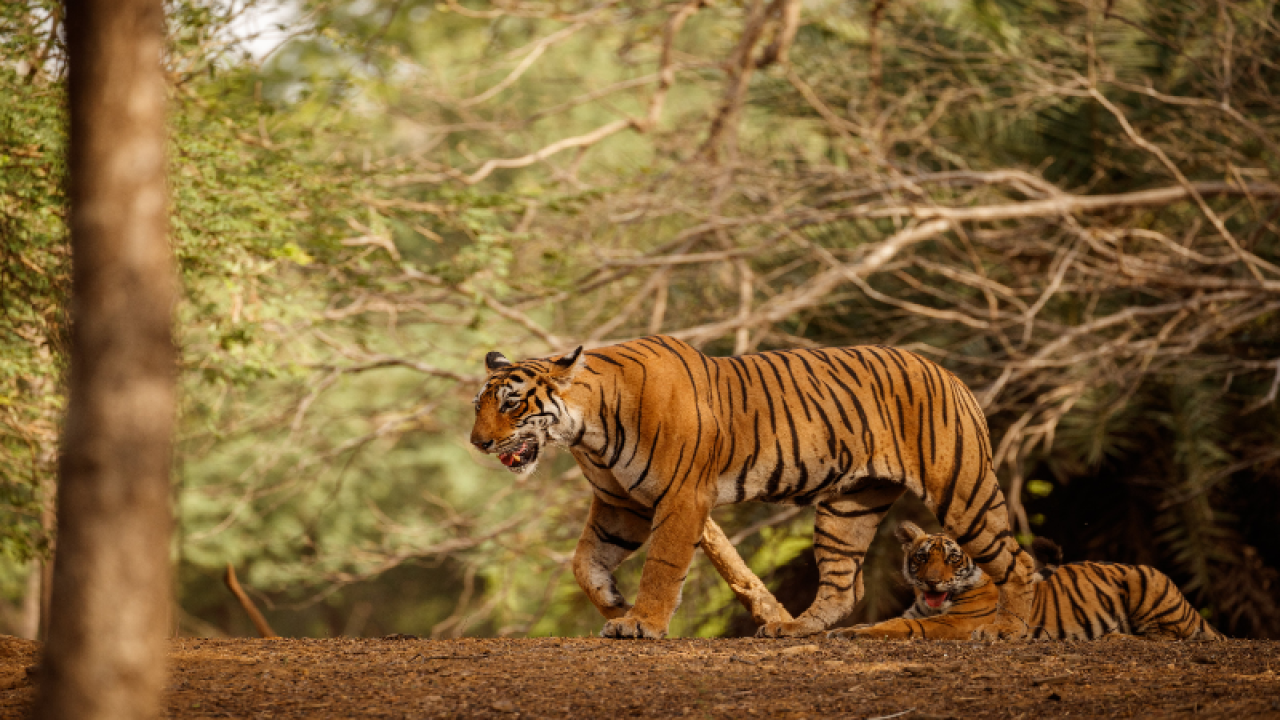
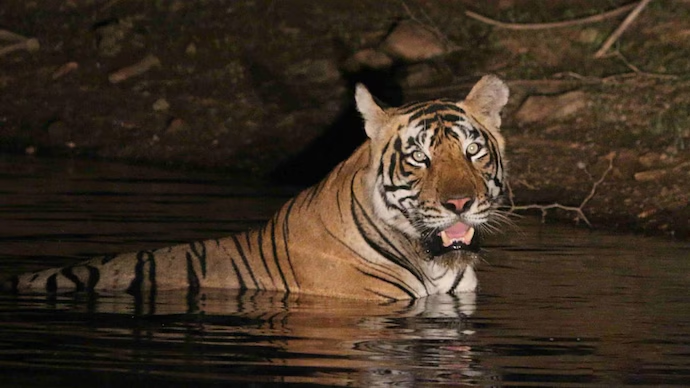
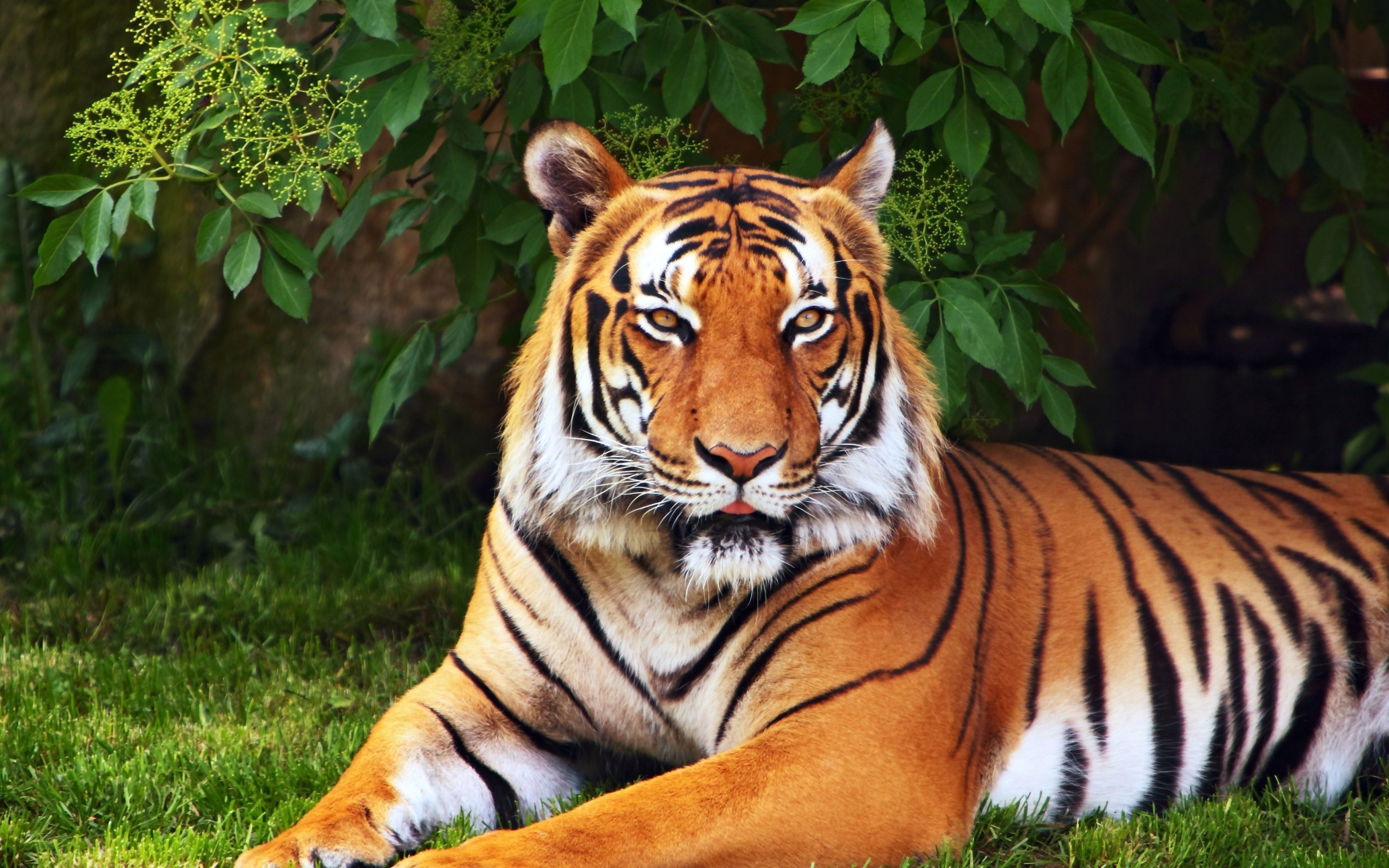
The fauna of Sariska National Park represents one of the most vibrant and diverse wildlife populations in northern India, making the reserve a crucial habitat for numerous species. The park is best known for its population of Royal Bengal Tigers, whose successful reintroduction marked a historic milestone in global wildlife conservation. Alongside the tiger, the park is home to elusive leopards, which roam the rocky cliffs and forested hillsides of the Aravalli range. Sariska also shelters a wide spectrum of herbivores such as sambar deer, chital (spotted deer), nilgai, four-horned antelope (chousingha), wild boar, and langurs, all of which form the foundation of the food chain. Smaller predators like jackals, hyenas, jungle cats, caracals, and Indian foxes add to the richness of the ecosystem, maintaining the natural balance through their interactions with prey species.

. The park is equally renowned for its impressive birdlife, with over 225 species recorded, including peafowl, golden-backed woodpeckers, serpent eagles, kingfishers, Indian eagle owls, sandgrouse, grey hornbills, and various migratory birds that arrive during winter. Reptiles such as monitor lizards, pythons, rat snakes, and several species of lizards and turtles further enhance the biodiversity of the region. Many animals in Sariska display distinct behaviours depending on the season—herbivores gather around water sources in summer, big cats become more active during cooler hours, and birds flourish after the monsoon when the forest turns green. Together, these diverse species create a living, breathing ecosystem that showcases the natural beauty and ecological importance of Sariska National Park, making it a paradise for wildlife enthusiasts, researchers, and nature photographers.
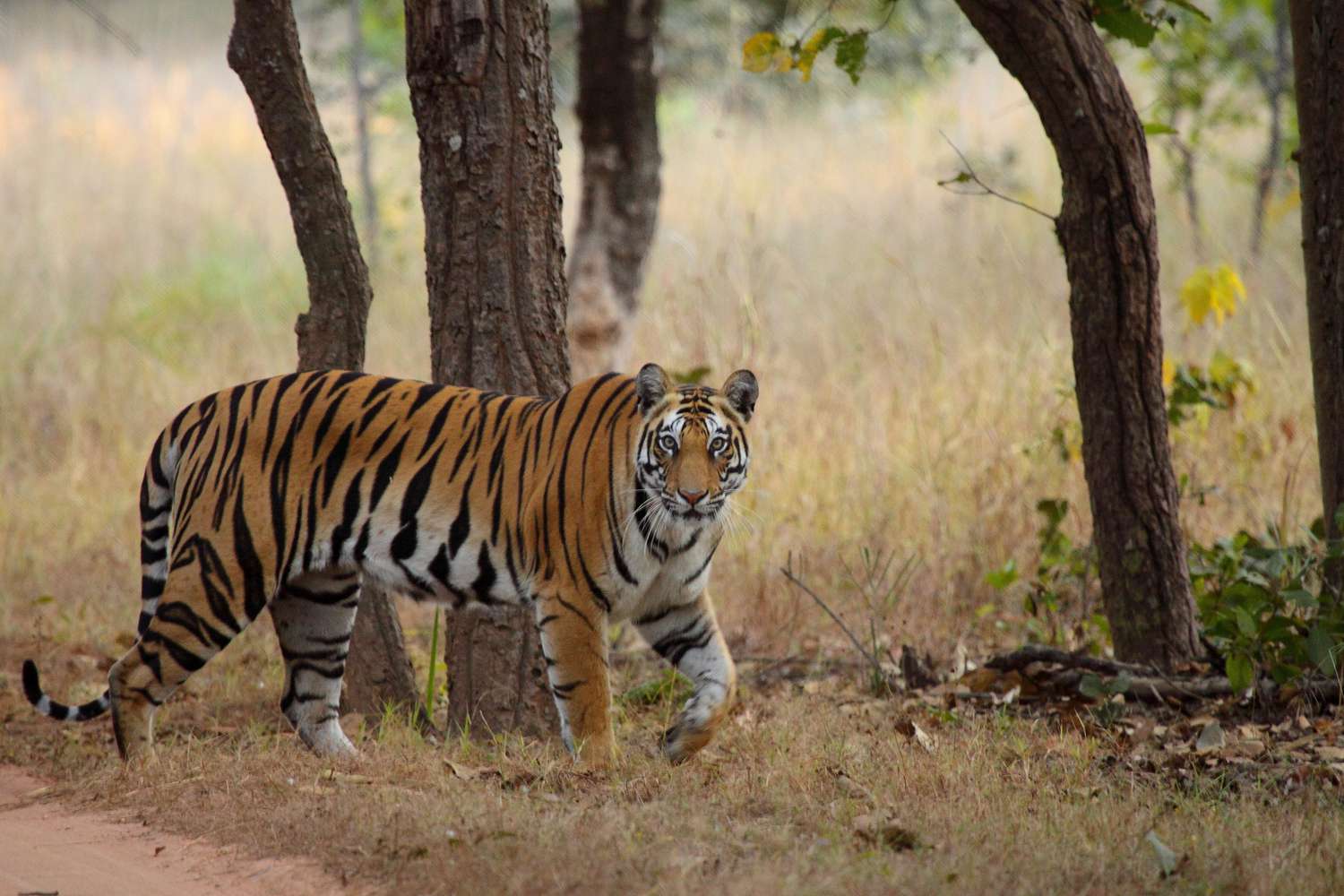
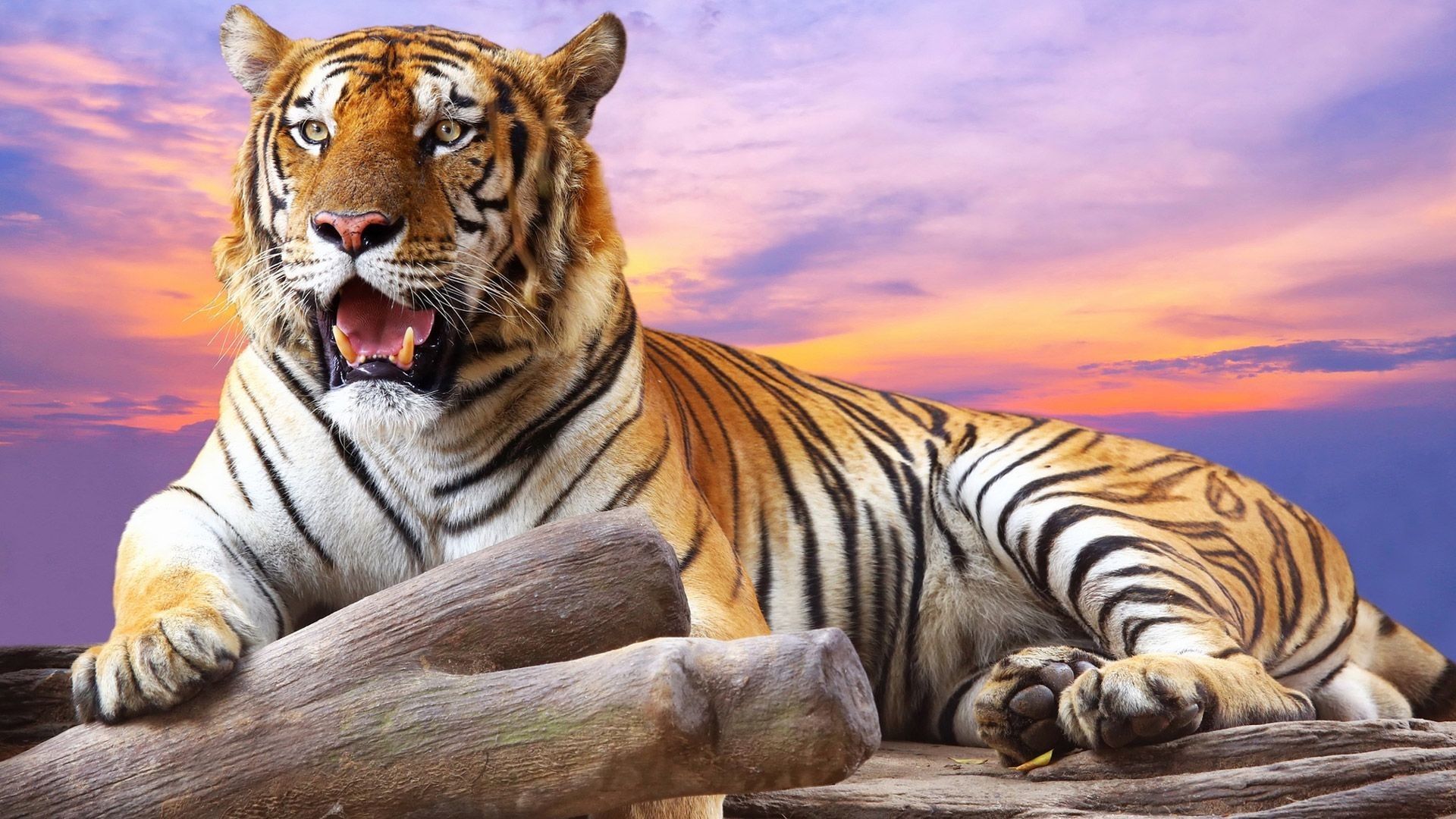
Sariska Tigers

ST - 2 Rajmata
ST - 12
ST - 22
ST - 17
ST - 14
ST - 23
ST - 24
ST - 25
ST - 19
ST - 113
ST - 21 Yuvraj
ST - 2304

Why Us!

Sariska — Where Wildlife, Wilderness & History Meet

Experience the thrill of spotting majestic Bengal tigers, wander scenic forest trails, and explore ancient forts — all within Sariska National Park. Perfect for safaris, birdwatching and nature escapes.

Authentic tiger & wildlife safaris

Scenic trekking and birdwatching spots

Nearby historic forts and cultural sites

Explore Sariska

25

Years Experience

183

Award Winning

2619

Total Animals

51940

Happy Clients